
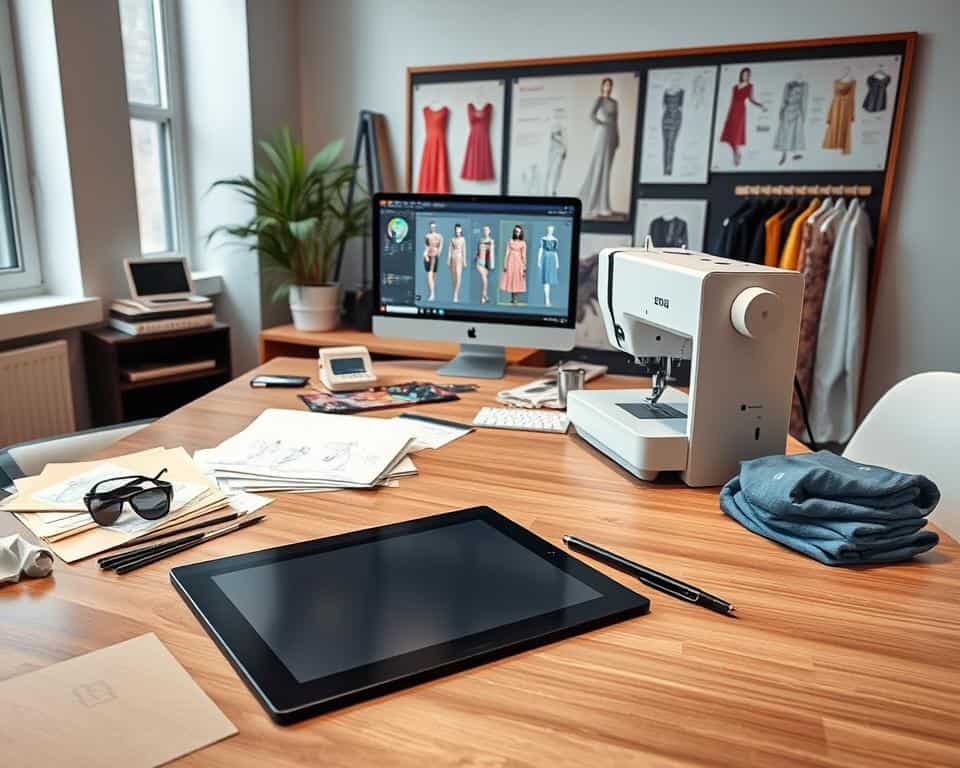
Apparel software is changing how we make fashion. Now, anyone can design clothes like a pro. Tools like Digital Fashion Pro and Repsketch turn simple sketches into real designs. This lets users see their final product without spending a lot on prototypes.
Fashion design software is making dreams come true. Even beginners can make digital clothes with platforms like Artiphoria. This makes fashion more open to everyone, not just experts.
People are using these tools in amazing ways. Teachers are teaching fashion design in schools. Small businesses are using Vmake to make their marketing better.
Digital fashion technology makes designing clothes faster and cheaper. It also connects designers to places like Printful or Redbubble. This makes selling designs online easy and simple.
Key Takeaways
- Custom clothing design tools like Digital Fashion Pro let anyone create professional designs without artistic experience.
- Software such as Repsketch reduces design errors by simulating realistic outcomes, lowering production costs.
- Platforms like Artiphoria and Vmake empower non-designers to produce digital art and marketing content.
- Integration with Printful and Zazzle connects creators directly to e-commerce, streamlining sales.
- Users praise the affordability and ease of apparel software, which improves portfolios and business growth.
Understanding Modern Apparel Software and Its Revolution in Fashion
The fashion world has changed a lot. It used to be all about paper sketches and real models. Now, fashion design technology lets creators do amazing things. It mixes old ways with new ones, like apparel 3d configurator.
The Evolution of Design Technology in the Fashion Industry
Long ago, designers made things by hand. The 1980s introduced CAD software, making things easier. Now, AI platforms help guess what’s next and use fabric better. 3D models help save resources, and cloud systems help people work together from anywhere.
How Digital Tools Have Democratized Fashion Creation
Before, only pros could use these tools. Now, anyone can with Adobe Illustrator and CLO 3D. This means:
- AI helps guess what’s next in fashion
- Virtual models save money and time
- Custom designs make customers happy
More than half of people want to see what they can make. This makes new and small designers compete with big names. Thanks to easy-to-use software, anyone can join in.
The Shift from Professional-Only to Consumer-Friendly Platforms
Big names like Optitex and Lectra Modaris are making things simpler. Apps work on all devices, making it easy for beginners. Even 3D printing and trying on clothes online are common now. This means anyone can create without needing to spend a lot on classes.
Brands like Zara use these tools to be more green. The digital fashion revolution is for everyone. It’s changing who gets to make fashion.
Key Features That Make Custom Apparel Software Accessible to Beginners
Modern beginner-friendly design features are changing how new people design clothes. Sites like Gelato and Canva make things simple. They offer intuitive apparel software that gets rid of hard parts.
Drag-and-drop editors, pre-loaded templates, and live previews help users make designs easily. This means you can create without needing to know a lot.
- Drag-and-drop interfaces let users place graphics effortlessly
- Over 250,000 free templates (like Canva’s apparel mockups) shorten setup time
- Step-by-step tutorials guide users through complex tasks
- Free versions like Procreate Pocket ($5.99 for iPhone) lower financial barriers
“Digital Fashion Pro’s video tutorials taught me fundamentals in weeks, not years,” said one user who transitioned from novice to selling designs online.
Software like Inkscape and Affinity Designer have vector tools that are easy to use. Kittl’s 3D previews show ideas in real-time. Even hard tasks like matching colors or changing file types are done for you.
This makes sure your designs look great without needing to be an expert. These tools make turning design ideas into real products easy. Now, easy fashion design tools are a must, not just a nice-to-have.
The Technical Capabilities of Today’s Apparel Software
Modern apparel software turns design ideas into real, professional results. It has advanced features that make complex tasks easy. This lets creators focus on their creativity, not technical problems.
Fabric Simulation and Texture Rendering
Software like Gerber AccuMark and Lectra lets designers see how fabrics look and move digitally. Tools like TUKAcad’s digital textile rendering make textures look real without needing physical samples. Top platforms, including those in this guide, make testing materials and cutting prototypes faster.
Pattern Generation and Sizing Automation
Tools like Optitex and PolyPattern make pattern creation easy. They do the math for you, making patterns accurate without manual work. These tools:
- Make precise grading for different sizes
- Lower errors with smart adjustments
- Work well with CAD systems for a smooth workflow
Designers can work on style faster, without getting bogged down by technical details.
Color Matching and Palette Development Tools
Advanced software checks color harmony and material matching. It makes sure palettes fit the brand’s look. Systems like StyleCAD’s tools use color theory to help pick colors, making collections consistent.
3D Visualization and Virtual Try-On Features
3D visualization in Browzwear and Marvelous Designer brings designs to life with virtual models. Designers can change and share 3D mockups quickly. This cuts down on the need for physical samples and speeds up approvals.
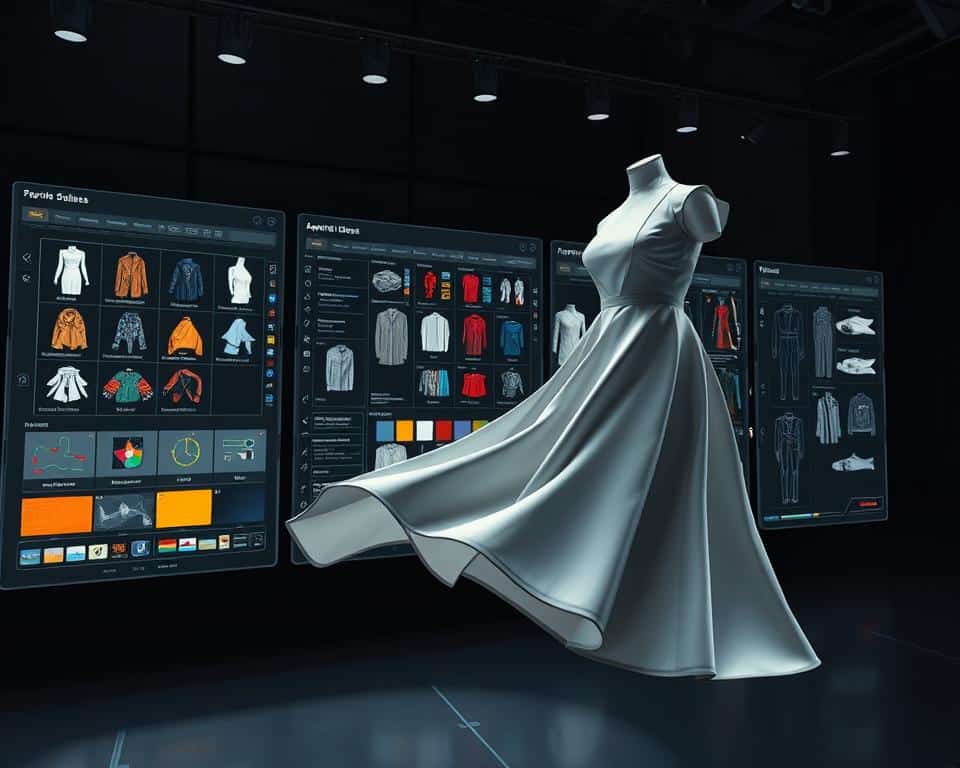
Virtual try-on features let users see how clothes fit on avatars. This helps make sure the fit is right before making the clothes.
From Concept to Creation: The Design Process Simplified
Modern fashion design process tools make turning ideas into reality quick. They’re different from old ways, thanks to classic workflows. Now, apps like Pinterest or Adobe Spark help organize ideas with digital mood boards. WGSN brings the latest trends right to your design space.
Brainstorming and Mood Board Creation
Start with digital mood boards. They mix images, fabrics, and colors. Canva or Adobe Creative Cloud make it easy to add and arrange these elements.
“I was able to scan my sketches and retrace them digitally—it gave my ideas a whole new life!”
This method is like what pros do, but you don’t need a design degree.
Sketching and Initial Design Development
Use apparel sketching software like Procreate or Gravit Designer to bring ideas to life. Tools like symmetry and layer masks help. Even simple drawings can look great with digital tools.
Refining Your Vision with Digital Tools
Use design development tools like Optitex’s virtual prototyping or Marvelous Designer’s 3D draping. These tools let you test designs without making real samples. Gerber’s AccuMark and TUKAcad make it easy to adjust patterns, helping everyone.
Every step from idea to final design is easier. This lets creators focus on their creativity, not technical problems.
How Apparel Software Bridges the Gap Between Imagination and Production
Design to production software removes barriers between ideas and finished clothes. Tools like CLO 3D and Style3D turn 3D models into files ready for production. They make sure factories get the right measurements and material info.
These fashion prototyping technology tools help designers avoid mistakes. They let designers test how fabric will look and fit digitally.
- Automates technical packets with stitching instructions and pattern specs
- Exports files in industry-standard formats for global manufacturers
- Collaborate in real-time with production teams using cloud-based tools
| Traditional Method | Digital Workflow |
|---|---|
| Physical samples required for each design change | Virtual testing cuts prototyping time by 60% |
| Manual error checks during production | AI-driven simulations highlight flaws early |
ERP systems like SAP and Oracle NetSuite work with apparel tools. They make inventory and supply chains smoother. Japanese designer Yuima Nakazato uses these systems to make clothes with no waste.
He cuts material waste by 30% with each collection. The $25 billion digital fashion market shows how these tools help creators. They let designers skip over old manufacturing problems.
Designers can now make collections more easily. They get real-time cost estimates and see how sustainable their designs are. Learn how digital fashion manufacturing changes production at every step.
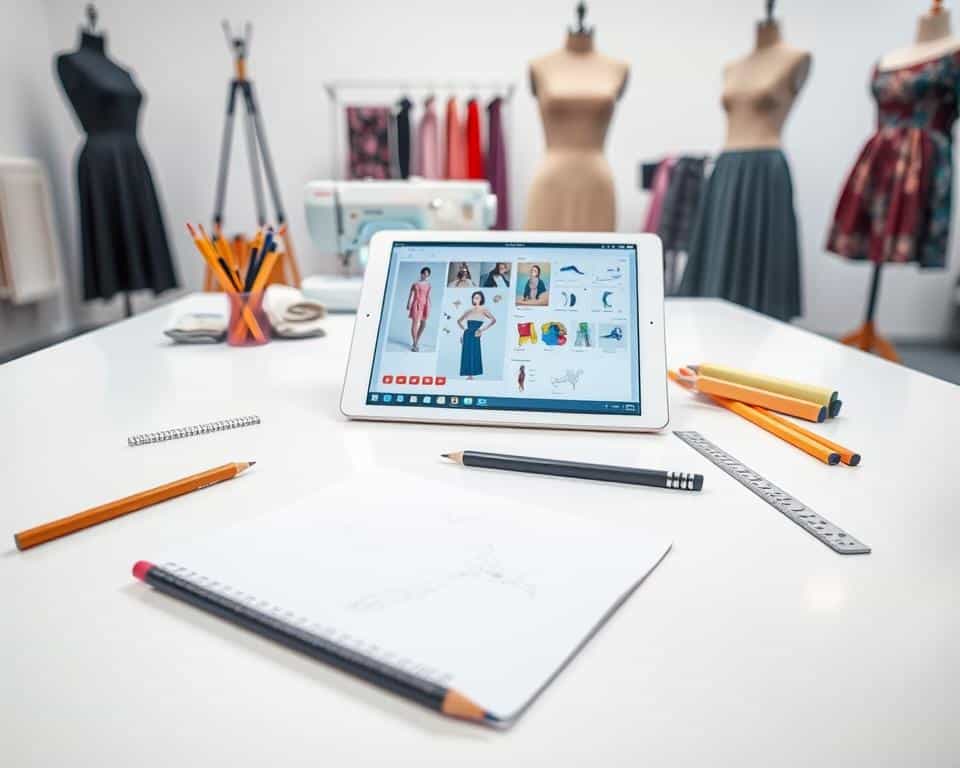
Customization Options That Make Your Designs Uniquely Yours
Modern custom apparel software lets you turn ideas into wearable art. You can use personalized fashion graphics and digital fabric selection to create unique pieces. These tools help you mix creativity with precision, making sure every design is special.
Custom t-shirts are more than fabric—they’re canvases that tell stories, showcase identities, and promote brands. Whether it’s a quirky slogan or detailed art, these pieces let wearers express their uniqueness.
Begin with personalized fashion graphics. Upload logos, photos, or use free clipart libraries to create stunning custom apparel designs. Tools like AI Image Generator make adding filters, text layers, and colors easy. You can also blend elements into cohesive layouts, fitting any garment shape.
Custom sizing software ensures a perfect fit. Algorithms adjust patterns automatically, making sure seams align and proportions are right. Real-time previews show how designs fit different body types, removing guesswork. Over 54,000 daily orders on several platforms show how these tools make professional-grade adjustments easy.
Choose fabrics that match your vision using digital fabric selection. Explore 3D previews of cotton, polyester, or blends. See how textures drape on virtual mannequins before finalizing. This avoids costly physical samples and lets you test bold combos like silk linings or mixed materials layers.
With 21,600+ users globally and $1.8M+ daily sales, these tools empower creators. They can turn visions into reality. Whether designing for a brand or a personal project, the flexibility to mix graphics, adjust sizes, and pick fabrics ensures every piece feels unique.
Learning Curves and Support Resources for New Users
Learning to use apparel software is easy. Many programs have fashion design tutorials and apparel software resources for beginners. These programs guide users through onboarding, and its interface is easy to start with.
Users love the video tutorials that help them learn step by step. A 13-year-old designer and their parents found Digital Fashion software onboarding tools helpful. They got support from Harper Arrington’s team.
“Beginners can thrive with the right resources,” says an user. Their free webinars and starter content make starting 3D design easy. Style3D’s open ecosystem lets users explore without feeling overwhelmed.
This programas help with structured design learning platforms. They offer paid courses and free starter guides. Even complex tools like CLO have paid training programs, but free resources are available too. New users should start with software comparisons to find the best fit.
- Begin with introductory modules to grasp core functions
- Engage with live webinars or video courses
- Join online communities for peer feedback
- Practice with test projects before real designs
Adobe Illustrator is very popular, so there are lots of online guides. Their users get special training modules. Even tough programs offer starter kits.
Being patient and practicing regularly helps. With today’s learning tools, every designer can start their journey with confidence.
Overcoming Common Design Challenges with Smart Software Solutions
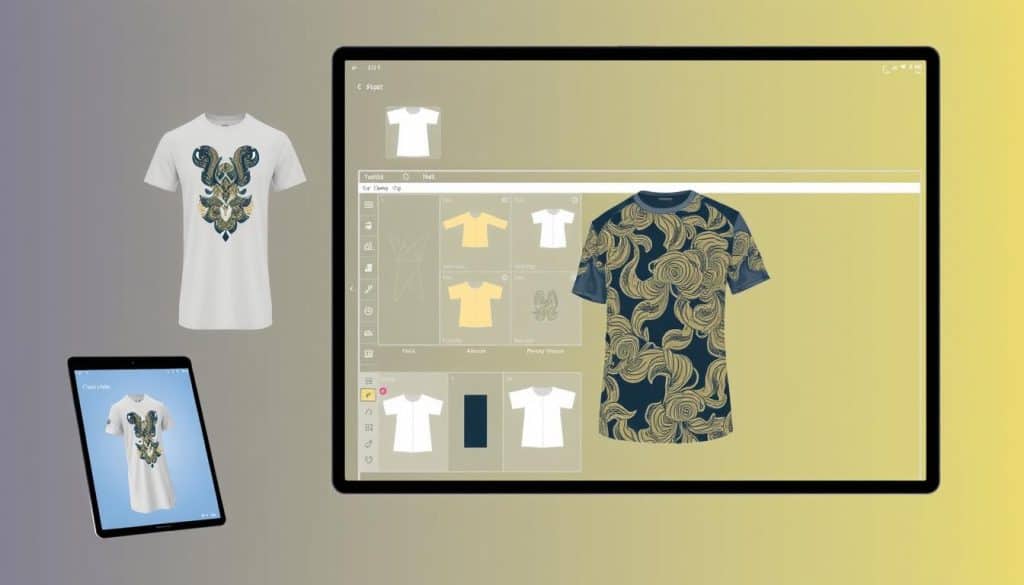
Designers often face problems like misaligned patterns or color mismatches. Apparel design troubleshooting tools now make these issues easier. Modern software has pattern alignment tools and color matching technology. This turns big challenges into simple steps. Let’s look at three main challenges and their solutions:
Pattern Alignment Fixes Made Simple
- Use grid snap features to align seams automatically
- Visual guides highlight mismatched points in real time
- Software like Digital Fashion Pro includes layer locking to prevent shifts
Color Accuracy Solutions
Make sure screen colors match the final product with:
- Predefined fabric-specific color palettes
- Real-time previews showing how dyes interact with different materials
- Automated color correction based on production fabric choices
Sizing Consistency Across Garments
| Challenge | Problem | Software Solution |
|---|---|---|
| Baggy Sweaters | Stretchy fabrics distort sizing | sizing standardization software adjusts ease allowances per material type |
| Skirt Length Variance | Manual grading errors | Automated grading tools maintain proportions across sizes |
| Global Sizing Conflicts | EU/US size discrepancies | Multi-standard templates for global brands |
“Manufacturers now get my samples right the first time,” says one user of Digital Fashion Pro’s alignment tools.
These new tools save waste: 3D previews cut down on physical samples by 70%, studies show. Brands using color matching technology see 40% fewer returns. Even new designers can get pro results without extra training.
Sustainable Fashion Design Through Apparel Software
Traditional fashion production wastes a lot, with 10% of global emissions and 85% of textiles ending in landfills. Eco-friendly apparel software offers solutions to this crisis. Ethical fashion technology like WasteBanned, developed by MIT, University of Washington, and Adobe, helps designers reduce waste. This digital sustainability tools platform lets users simulate zero-waste patterns, visualize fabric use, and adjust designs virtually.
“Digital transformation doesn’t just allow you to stay ahead. It provides tangible benefits for your brand.”
- Zero-waste design tools cut fabric waste by 30-50%, per MIT trials.
- Linked editing shows real-time changes across garment panels.
- Undo/redo features let users experiment without physical waste.
| Traditional Methods | Digital Tools |
|---|---|
| Physical prototypes requiring fabric samples | Virtual prototyping with no material use |
| Guesswork in pattern layout | Auto-optimized fabric layouts reducing scraps |
| Slow testing of eco-materials | Instant simulations of bamboo linen or Econyl® performance |
Brands like Patagonia use these sustainable fashion design platforms to track material origins via ERP systems. H&M’s Conscious Collection leverages ethical fashion technology to source recycled polyester. Designers now access eco-friendly apparel software to create modular garments, extending product lifespans. With tools like pattern optimization and supply chain transparency, the industry moves toward circular systems. This tech empowers creators to align creativity with environmental responsibility, proving sustainability and style can thrive together.
Integration with Production: Taking Your Designs from Digital to Physical
“The advent of on-demand custom t-shirt design platforms has made it easier than ever for entrepreneurs and artists to dive into the world of personalized apparel.”
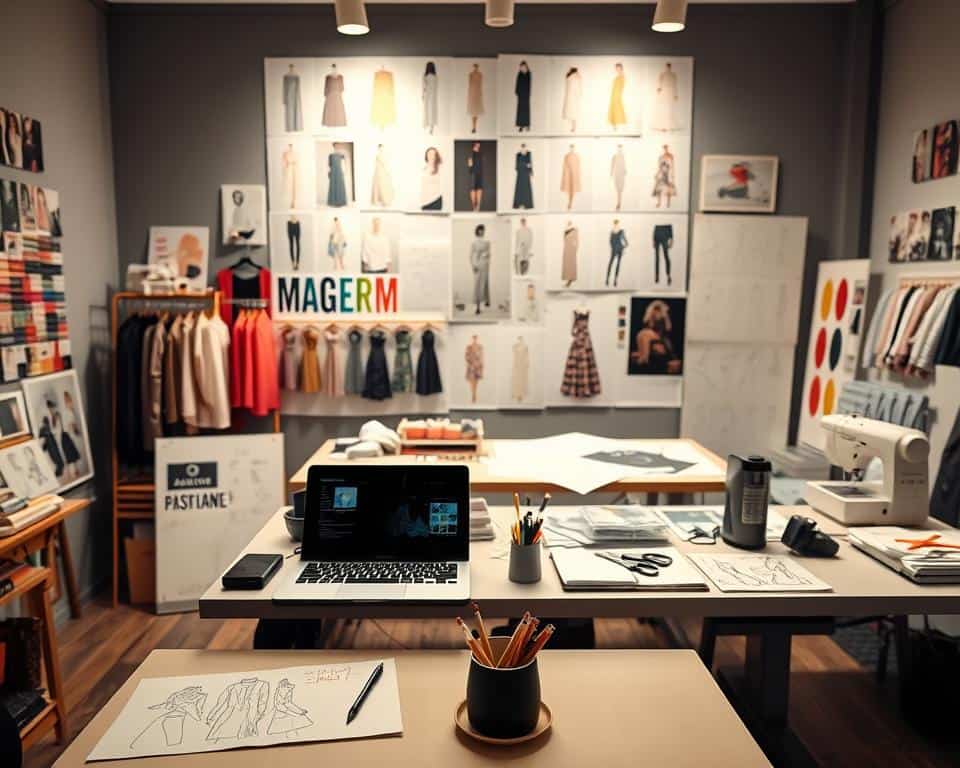
To turn digital designs into real clothes, you need print-on-demand integration and a strong digital manufacturing connection. Advanced softwares move designs from 3D mockups to production lines smoothly.
First, use print-on-demand integration services. Other tools let you upload designs easily. This way, you don’t have to worry about inventory.
Perry Ellis International saved two months by using these tools. They also cut physical samples by 50%.
For local production, apparel production software helps a lot. It makes detailed tech packs and patterns. Designers send digital files to manufacturers, ensuring the right fabric and size.
This design-to-production workflow reduces mistakes and waste. Tools like Stylezone make pattern grading automatic. This makes global production easier.
- Print-on-demand: Streamline orders via Teespring’s API integrations
- Local manufacturing: Use VStitcher for real-time pattern adjustments
- Quality checks: Browzwear’s 3D simulations catch fit issues pre-production
Quality control uses software analytics. Tools like 3D visualization show how designs look on virtual models. This means fewer physical samples, which is good for the planet.
By using these tools, creators skip the costly trial-and-error phase. The design-to-production workflow ensures the final product looks just like the digital preview. This makes high-quality results available to everyone.
Unleashing Your Creative Future of Fashion Design
New tech is changing personal design innovation for the better. Modern tools let you try ideas without making real prototypes. Virtual reality and augmented reality mix digital and real worlds.
These creative fashion technology tools help you bring your ideas to life. You can sketch on any surface or see 3D clothes in real space. This freedom lets you create without limits.
Blockchain and AI are also making a big impact. Some leader brands use blockchain for digital design ownership. AI tools predict trends and improve patterns.
Platforms work to make production easier and cut waste. This mix of fashion democratization trends and tech lets anyone make unique clothes. You can create outfits that are eco-friendly or even tech-infused, like clothes that change color with your body temperature.
The global fashion industry is expected to hit $3.3 trillion by 2030. This shows how much people want personalized clothes. With tools like virtual try-on or 3D printing, you can make your designs come to life. Your dream clothes are just a click away.